

The construction industry is an important part of any economy, driving infrastructure development, economic growth, and job creation. From residential housing projects to large-scale commercial developments, construction plays a key role in shaping cities and communities. This industry offers countless job opportunities for skilled professionals, making it an attractive field for individuals looking for stability, career growth, and hands-on work.
A diploma in building and construction is a useful qualification that educates people with the industry knowledge, practical abilities, and technical know-how required to be successful in a variety of construction-related positions. Project management, construction safety, site supervision, contract administration, cost prediction, and sustainable building practices are just a few of the important topics covered in this course. It is meant for people who want to work in the building industry as site managers, construction supervisors, project coordinators, or even business owners.
The flexibility that comes with completing a Diploma in Building & Construction is one of its main advantages. Graduates can work in a variety of construction-related fields, such as residential, commercial, and industrial. This certification provides access to a variety of employment options, including managing major infrastructure projects, supervising residential construction, and specializing in renovations.
Also, new building materials, sustainability trends, and technological breakthroughs all contribute to the ongoing evolution of the construction industry. Professionals with a Diploma in Building and Construction can take advantage of these changes by staying up to date with industry trends, obtaining extra qualifications, and getting hands-on experience in specialized areas.
But what jobs can you get with this qualification? Let’s explore some of the most common and rewarding career paths available to diploma holders.
Jobs You Can Get with a Diploma of Building and Construction
1. Building Supervisor

A building supervisor, also known as a site supervisor or construction supervisor, plays a crucial role in overseeing construction projects from start to finish. Their primary responsibility is to ensure that projects are completed on time, within budget, and in compliance with all safety regulations and quality standards.
Building supervisors coordinate various aspects of the construction process, including managing workers, scheduling tasks, ordering and maintaining supplies, and addressing on-site challenges. They act as a bridge between workers, contractors, architects, and clients, ensuring smooth communication and resolving any conflicts that may arise during the project.
In addition to managing personnel, a building supervisor must ensure that all safety protocols are followed to prevent workplace accidents and injuries. They conduct site inspections, enforce occupational health and safety regulations, and provide guidance to workers regarding safe work practices.
This role requires strong leadership skills, problem-solving abilities, and a keen eye for detail. A successful building supervisor must be able to multitask, delegate responsibilities effectively, and make quick decisions to keep projects on track. They should also have a solid understanding of construction techniques, materials, and industry standards to assess the quality of work and ensure that it meets project specifications.
Building supervisors often work in dynamic and fast-paced environments, requiring adaptability and excellent communication skills. Those who excel in this position may advance to higher managerial roles, such as construction manager or project manager, with experience and additional qualifications.
2. Construction Manager

A construction manager is responsible for planning, directing, and coordinating construction projects of various scales, from residential buildings to large commercial developments. They oversee every phase of a project, ensuring that it is completed on time, within budget, and in compliance with all legal and safety regulations.
Construction managers work closely with engineers, architects, contractors, and clients to develop project plans, set schedules, and allocate resources efficiently. They are involved in budgeting and cost estimation, ensuring that the financial aspects of the project align with the client’s expectations and funding. They also play a key role in hiring and managing construction workers, subcontractors, and suppliers, making sure that skilled labor and quality materials are used throughout the project.
This role requires strong problem-solving skills, leadership abilities, and an in-depth knowledge of construction techniques, building materials, and industry regulations. A construction manager must be able to make quick decisions to address unexpected challenges such as weather delays, supply chain disruptions, or unforeseen structural issues.
Effective communication is also critical in this position, as construction managers must liaise with various stakeholders, provide progress updates, and ensure that all parties involved are aligned with project goals. They also oversee compliance with occupational health and safety regulations to minimize risks and maintain a safe working environment.
With experience and additional certifications, a construction manager can progress to higher positions such as senior project manager, construction director, or even start their own construction business.
3. Project Manager

A project manager is responsible for overseeing the entire construction project from start to finish, ensuring its successful completion within the allocated budget and timeline. They coordinate various aspects of the project, including planning, resource allocation, and risk management. Project managers work closely with clients, engineers, architects, contractors, and government authorities to ensure compliance with building codes and regulations.
In addition to managing budgets and schedules, project managers handle procurement, contract negotiations, and quality control. They must also anticipate potential challenges and develop contingency plans to prevent delays or cost overruns. Strong leadership, problem-solving skills, and the ability to work under pressure are crucial for this role. Effective communication is essential as they liaise between stakeholders, ensuring smooth collaboration and resolving conflicts when necessary.
Project managers with extensive experience may advance to senior management roles or specialize in areas like infrastructure, commercial, or residential construction. Pursuing additional certifications, such as PMP (Project Management Professional) or PRINCE2, can enhance career prospects.
4. Estimator

Estimators play a crucial role in construction by analyzing and calculating the costs of labor, materials, and equipment needed for a project. Their primary responsibility is to provide accurate cost estimates, which help companies bid competitively for contracts. A well-prepared estimate ensures that a project remains financially viable and profitable.
This role requires strong analytical skills, attention to detail, and proficiency in construction estimation software. Estimators study blueprints, consult with suppliers, and consider external factors such as market trends and labor costs to determine the total project expenses. They also collaborate with project managers and financial teams to ensure budgets align with project requirements.
With experience, estimators can progress to senior cost estimator roles, cost engineers, or financial management positions in construction firms. Additional training in quantity surveying or cost engineering can further enhance career opportunities.
5. Site Manager

A site manager, sometimes referred to as a construction site supervisor, is responsible for overseeing the daily operations of a construction site. They ensure that workers adhere to safety regulations, complete tasks according to schedule, and meet the quality standards outlined in the project plan.
Site managers play a vital role in workforce coordination, monitoring subcontractors, and ensuring the efficient use of materials and resources. They are also responsible for site safety, conducting regular inspections, enforcing safety protocols, and addressing any potential hazards. In the event of unexpected issues, such as weather delays or structural complications, site managers must quickly devise solutions to keep the project on track.
To succeed in this role, strong leadership, problem-solving abilities, and excellent organizational skills are essential. Site managers often work closely with project managers and engineers to ensure smooth execution. With experience, they can advance to roles such as construction manager, project director, or operations manager, especially if they pursue further training in management and leadership.
6. Building Inspector

A building inspector ensures that construction projects comply with local building codes, safety regulations, and quality standards. They inspect buildings at different stages of construction, from initial groundwork to final completion, identifying any structural, electrical, plumbing, or safety issues that need to be addressed.
Building inspectors provide detailed reports outlining their findings and recommend corrective actions to ensure compliance. They work closely with architects, engineers, and construction teams to enforce regulations and prevent potential hazards. This role requires strong observational skills, attention to detail, and an in-depth understanding of construction laws and codes.
To become a building inspector, individuals often need relevant certifications or licensing, depending on local requirements. With experience, they can advance to senior inspection roles, specialize in areas such as environmental or fire safety, or transition into regulatory or consulting positions.
7. Contract Administrator

A contract administrator plays a crucial role in managing contracts between builders, suppliers, contractors, and clients. They ensure that all contractual obligations are met, deadlines are adhered to, and any discrepancies or disputes are resolved promptly.
Key responsibilities include reviewing contracts, monitoring project progress, managing documentation, and ensuring compliance with legal and financial terms. Contract administrators also negotiate terms, prepare reports, and liaise between different stakeholders to prevent misunderstandings and costly delays.
This role requires excellent negotiation and communication skills, as well as a solid understanding of construction law and contract management. Many professionals in this field pursue additional certifications in contract law or project management to enhance their career prospects. With experience, contract administrators can advance to senior roles in construction law, procurement management, or project coordination.
8. Construction Foreman

A construction foreman is responsible for supervising and leading construction workers on-site. They coordinate daily operations, assign tasks, and ensure that work is carried out according to plans, specifications, and safety regulations.
Construction foremen act as a bridge between workers and management, providing guidance, troubleshooting problems, and ensuring productivity. They also monitor the use of equipment and materials, maintain safety standards, and ensure that deadlines are met efficiently.
This job is ideal for individuals with leadership qualities, hands-on construction experience, and excellent problem-solving skills. Many foremen start as tradespeople before advancing to supervisory roles. With further experience and training, they can move into positions such as site manager, construction manager, or project supervisor.
9. Building Consultant

A building consultant provides expert advice on construction projects, helping clients make informed decisions about project planning, design choices, budgeting, and regulatory compliance. They assess risks, ensure best practices are followed, and offer solutions to improve efficiency and sustainability in construction projects.
Building consultants work with developers, property owners, and contractors to optimize project outcomes. They may specialize in areas such as energy efficiency, structural integrity, or safety compliance. This job is suitable for professionals with extensive industry experience, strong problem-solving skills, and the ability to analyze construction plans and legal requirements. With experience, building consultants can expand their services to project management, forensic analysis, or expert witness roles in legal cases.
10. Carpenter

A Diploma of Building and Construction can also lead to specialized trade roles such as carpentry. Carpenters are skilled tradespeople who construct, install, and repair structures made from wood and other materials. They work on residential, commercial, and industrial projects, handling tasks such as framing walls, installing cabinetry, and crafting detailed woodwork.
This job is ideal for individuals who enjoy hands-on work and have a passion for craftsmanship. Carpenters need strong technical skills, physical stamina, and attention to detail to execute precision work. Many start as apprentices and gain on-the-job experience before advancing to roles such as master carpenter, site supervisor, or construction manager.
11. Construction Scheduler

A construction scheduler plays a crucial role in planning and coordinating the various phases of a construction project. They create and manage timelines to ensure that each stage is completed on time and within budget. By working closely with project managers, contractors, and suppliers, they help maintain efficiency and prevent costly delays.
Construction schedulers use project management software to develop work schedules, track progress, and adjust plans based on real-time updates. This role is ideal for detail-oriented individuals with strong analytical and organizational skills. A background in project management, coupled with expertise in scheduling tools like Primavera P6 or Microsoft Project, can enhance career prospects.
With experience, construction schedulers can advance to project management, operations management, or senior planning roles in large-scale construction firms.
12. Renovation Specialist

A renovation specialist focuses on upgrading and remodeling existing buildings to improve functionality, aesthetics, and structural integrity. They work on both residential and commercial properties, ensuring that older buildings meet modern standards and client expectations.
Renovation specialists assess existing structures, create renovation plans, and oversee construction teams to execute upgrades. Their work often includes kitchen and bathroom remodels, home extensions, and office renovations. This role requires creativity, problem-solving skills, and a deep understanding of construction techniques, materials, and regulations.
Professionals in this field may work independently as contractors or for construction firms specializing in renovations. With experience, they can expand their business, move into project management, or specialize in areas such as sustainable renovations and historic building restoration.
13. Quantity Surveyor
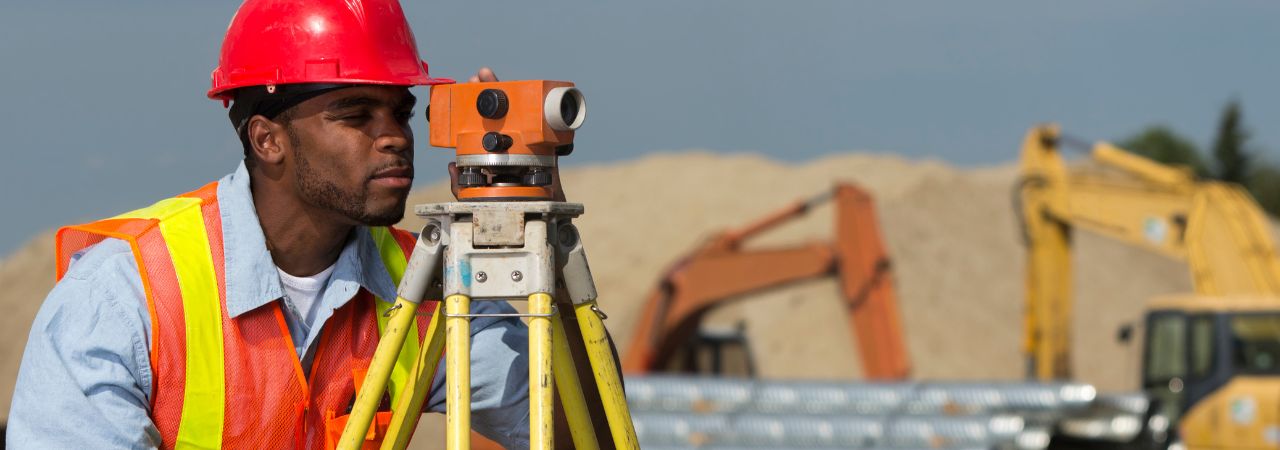
A quantity surveyor manages construction costs, budgets, and contracts to ensure projects remain financially viable while maintaining high-quality standards. They work closely with architects, engineers, and contractors to estimate expenses, negotiate prices, and monitor financial progress throughout the project lifecycle.
Quantity surveyors analyze project requirements, prepare cost plans, conduct feasibility studies, and manage risks to prevent overspending. This role is suited for individuals with a strong understanding of finance, construction materials, and industry regulations. Many quantity surveyors pursue additional certifications to specialize in areas such as sustainable construction, contract law, or project management. With experience, they can advance to senior cost management roles or become independent consultants.
14. Self-Employed Builder

With a Diploma of Building and Construction, graduates have the opportunity to start their own building and construction business. Many choose to become independent builders, taking on projects such as residential homes, renovations, and small commercial developments. Self-employed builders manage their own projects, hire subcontractors, and oversee construction from start to finish.
This career path requires a combination of technical construction knowledge and business skills, including project management, financial planning, and client relations. Independent builders must also ensure compliance with local building regulations and safety standards.
Entrepreneurial individuals can grow their business by specializing in niche markets such as eco-friendly construction, home renovations, or high-end custom homes. With experience and a strong client base, they may expand into larger projects, property development, or general contracting.
15. Facilities Manager

A facilities manager is responsible for overseeing the maintenance, safety, and operation of buildings and infrastructure. They ensure that structures remain functional, energy-efficient, and compliant with health and safety regulations.
Key responsibilities include managing repairs, coordinating maintenance teams, budgeting for facility upgrades, and implementing preventative maintenance programs. Facilities managers work in various settings, including commercial buildings, residential complexes, hospitals, schools, and industrial facilities.
This role is ideal for individuals interested in building maintenance, operations management, and sustainability. Strong problem-solving skills, organizational abilities, and knowledge of building systems (such as HVAC, electrical, and plumbing) are essential. With experience, facilities managers can progress into senior management roles, specialize in energy efficiency, or transition into property and asset management.
How to Advance Your Career in Building and Construction
If you want to progress further in the industry, consider:
- Gaining additional certifications: Specializing in areas like project management, safety regulations, sustainability, or advanced construction techniques can make you more valuable to employers and open up new career opportunities.
- Pursuing higher education: Earning a bachelor’s degree in construction management, civil engineering, or architecture can help you qualify for higher-paying roles with more responsibility.
- Networking with industry professionals: Attending trade shows, joining construction associations, and connecting with experienced professionals can provide valuable opportunities for career growth, mentorship, and business partnerships.
- Gaining hands-on experience: Internships, apprenticeships, and on-the-job training with experienced builders or construction managers can enhance your practical skills and make you more competitive in the job market.
- Staying updated with industry trends: Construction technologies and techniques evolve constantly. Keeping up with the latest developments in building materials, automation, and sustainability practices can give you a competitive edge.
Starting your own business: With enough experience, you can establish your own construction company, specializing in renovations, residential projects, or large-scale commercial developments.
Conclusion
A Diploma of Building and Construction opens the door to a wide range of career opportunities in the construction industry. Whether you want to work as a supervisor, manager, estimator, or even start your own business, this qualification provides the essential skills and knowledge to succeed. With a strong demand for construction professionals, this diploma can be a stepping stone to a rewarding and stable career. If you are passionate about building and want to play a vital role in shaping the built environment, pursuing a Diploma of Building and Construction could be the perfect choice for you. Enquire with us to find out more details about the Diploma of Building and Construction course offering or for enrolling in the course.
