

Hands-on courses are one of the most effective ways to gain practical skills and prepare for real-world careers. Unlike traditional academic learning, these programs combine theory with active training, helping students build confidence through experience. Whether you’re learning construction, hospitality, business, or technical skills, staying focused is essential to get the best results.
However, hands-on learning can also be demanding. It requires physical effort, mental attention, and the ability to balance multiple tasks. Here are some practical tips to help you stay focused and succeed in your course.
1. Understand the Purpose of Practical Learning

One of the biggest advantages of hands-on courses is their direct connection to real job roles. Every activity, task, or training session is designed to prepare you for actual work environments.
When you understand the purpose behind what you’re doing, it becomes easier to stay engaged. Instead of seeing tasks as assignments, think of them as real-life practice for your future career.
Tip: Remind yourself that every skill you learn is an investment in your professional growth.
2. Set Clear and Achievable Goals
Without clear goals, it’s easy to lose direction. Hands-on courses often involve multiple components—practical sessions, theory lessons, and assessments—so setting goals can help you stay organized.
Break your learning into daily and weekly targets, such as:
- Mastering a specific technique
- Completing a practical assignment
- Reviewing theory before training sessions
Clear goals give you a sense of progress and keep your focus sharp.
3. Create a Consistent Routine
A structured routine can make a big difference in maintaining focus. When you follow a schedule, your mind becomes trained to stay productive during certain hours.
Your routine should include:
- Dedicated time for practical training
- Study sessions for theory
- Short breaks to avoid burnout
Consistency reduces distractions and helps you stay disciplined throughout your course.
4. Eliminate Distractions
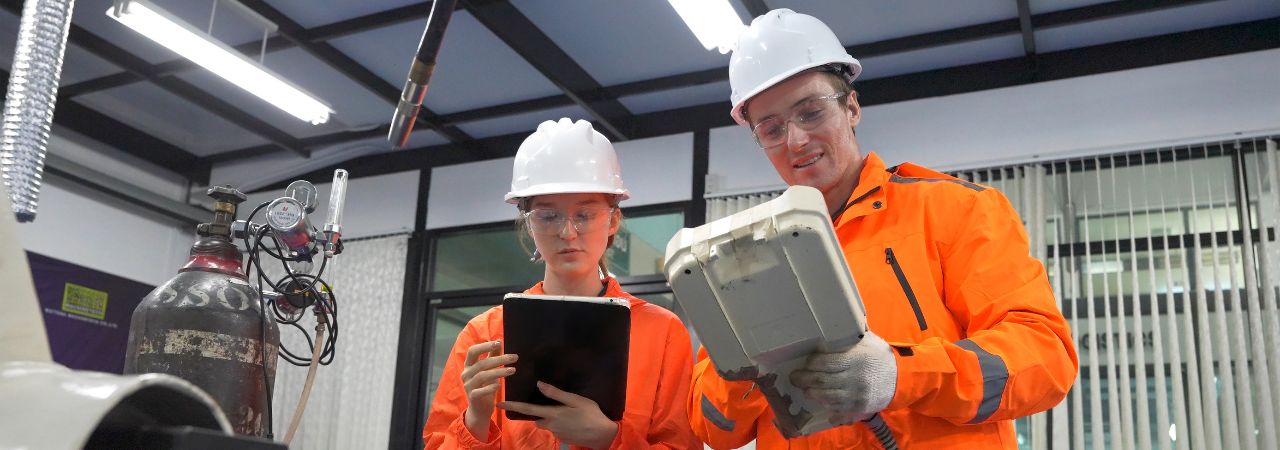
Hands-on environments require your full attention, especially when working with tools, equipment, or live scenarios. Distractions can not only reduce your performance but also increase the risk of mistakes.
Ways to stay focused:
- Keep your phone away during sessions
- Avoid unnecessary conversations
- Stay attentive to instructions
Being present in the moment ensures better learning and safer practice.
5. Stay Actively Involved
Practical learning is most effective when you actively participate. Simply watching others is not enough—you need to engage in the process.
Take initiative by:
- Volunteering for tasks
- Practicing regularly
- Asking for additional hands-on opportunities
The more involved you are, the easier it becomes to maintain focus and build confidence.
6. Take Care of Your Energy Levels
Hands-on courses can be physically and mentally demanding. Fatigue can reduce concentration and affect your performance.
To stay energized:
- Get enough sleep each night
- Eat balanced meals
- Stay hydrated throughout the day
- Take short breaks when needed
A healthy body supports a focused mind, especially during long training sessions.
7. Ask Questions and Stay Curious

Curiosity keeps your mind engaged. When you actively seek to understand concepts and techniques, you naturally stay focused.
Don’t hesitate to ask questions if something is unclear. Engaging with instructors and peers helps deepen your understanding and makes learning more interactive.
Tip: Treat every session as an opportunity to learn something new.
8. Connect Theory with Practice
One common challenge in hands-on courses is balancing theory and practical work. However, both are interconnected.
For example:
- Understanding safety rules improves your performance in practical settings
- Learning techniques in theory sessions enhances your skills during training
When you connect what you learn in the classroom with real-world applications, it becomes easier to stay engaged and focused.
9. Keep Your Career Goals in Mind
Hands-on courses are designed to prepare you for specific career paths. Keeping your long-term goals in mind can help you stay motivated, especially during challenging tasks.
Ask yourself:
- What career am I working toward?
- How will this skill help me succeed?
Visualizing your future success can boost your determination and keep you focused.
10. Build a Positive Learning Environment

Your surroundings play a big role in your ability to focus. A supportive and collaborative environment encourages better learning.
You can create this by:
- Working with classmates
- Sharing knowledge and feedback
- Supporting each other during training
A positive atmosphere keeps you motivated and accountable.
Final Thoughts
Staying focused in hands-on courses requires a combination of discipline, motivation, and smart habits. By setting goals, maintaining a routine, eliminating distractions, and actively participating, you can make the most of your learning experience.
Hands-on training provides a unique opportunity to develop real-world skills that are directly applicable in professional settings. With the right mindset and approach, you can stay focused, build confidence, and move closer to your career goals.
If you’re looking to explore practical, career-oriented programs, take the time to review the available options and choose a course that aligns with your interests and ambitions.
