

Working in a commercial kitchen can be fast-paced, demanding, rewarding, and highly creative. While a genuine passion for food is an important starting point, becoming a successful commercial cook requires much more than knowing how to prepare a great meal.
Commercial cooks need a combination of culinary knowledge, food safety awareness, time management, teamwork, communication, creativity, and attention to detail. They must be able to work efficiently under pressure while maintaining consistent food quality, presentation, and hygiene standards.
Whether you are currently studying Certificate III in Commercial Cookery, planning to begin a career in hospitality, or already working in a commercial kitchen, developing these skills can help you become more confident and capable in the workplace.
1. Strong Culinary Knowledge and Cooking Techniques

A solid understanding of cooking fundamentals is one of the most important skills for any commercial cook. Cooks need to understand how different ingredients behave and how various cooking techniques can affect flavour, texture, appearance, and nutritional value.
Important areas include:
- Developing safe and efficient knife skills
- Understanding different cooking methods such as grilling, roasting, steaming, frying, braising, and baking
- Understanding flavour combinations and ingredient pairing
- Preparing sauces, stocks, soups, meats, vegetables, and other common dishes
- Learning basic baking and pastry techniques
- Understanding portion sizes and recipe measurements
- Following standard recipes and preparation procedures
Strong culinary foundations allow cooks to work more efficiently and produce consistent results during busy service periods.
Key tip: Regular practice is essential. Experimenting with ingredients, learning different cuisines, and keeping up with changing food trends can help you continue developing your culinary skills.
Key Skills Every Commercial Cook Needs
| Skill | Why It Matters in a Commercial Kitchen |
|---|---|
| Cooking Techniques | Helps cooks prepare dishes correctly, efficiently, and consistently. |
| Food Safety & Hygiene | Protects customers and supports safe, compliant kitchen operations. |
| Time Management | Helps cooks complete multiple tasks and meet service deadlines. |
| Teamwork & Communication | Keeps kitchen operations organised and reduces mistakes during busy periods. |
| Creativity & Adaptability | Helps cooks respond to changes and contribute new ideas to dishes and menus. |
| Attention to Detail | Ensures consistent flavour, portion sizes, presentation, and food quality. |
| Equipment Knowledge | Allows cooks to use commercial kitchen equipment safely and efficiently. |
| Cost & Portion Control | Helps reduce food waste and maintain consistent serving sizes. |
| Customer Awareness | Helps cooks accommodate dietary preferences, allergies, and special requirements. |
| Problem-Solving | Enables cooks to respond quickly when unexpected kitchen challenges occur. |
| Physical Stamina | Helps cooks manage long shifts and demanding kitchen environments. |
| Professionalism | Builds trust with employers, chefs, colleagues, and other hospitality staff. |
| Continuous Learning | Helps cooks keep improving their techniques and adapt to industry changes. |
How These Skills Work Together
These skills are not independent of one another. A commercial cook may need to use several of them at the same time. For example, during a busy service, a cook may need to manage multiple orders, communicate with the kitchen team, monitor cooking times, maintain food safety standards, and ensure every dish meets the required presentation and portion standards.
Developing a balanced skill set can therefore be just as important as mastering individual cooking techniques.
2. Food Safety and Hygiene Practices
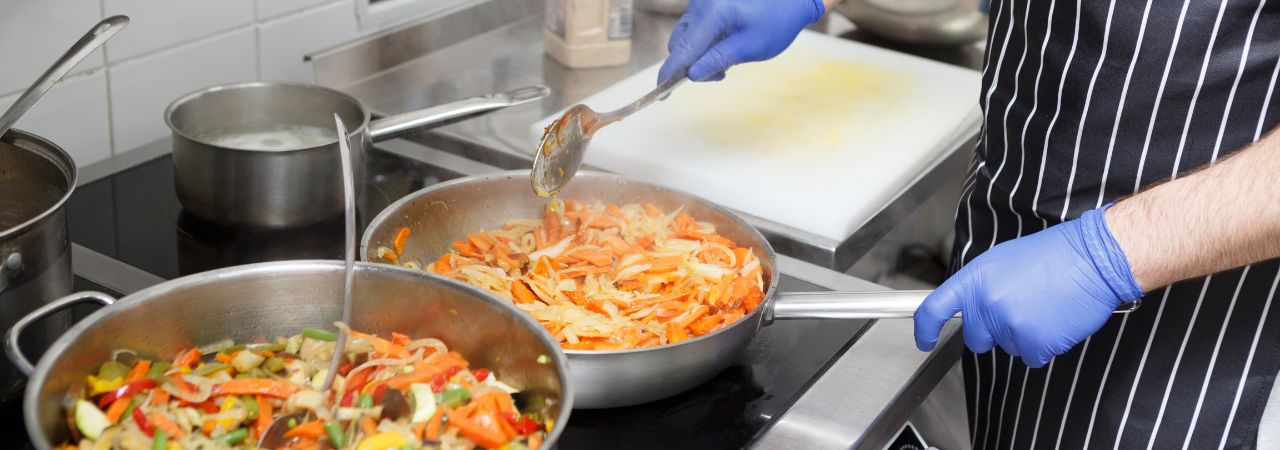
Food safety is a fundamental responsibility in every commercial kitchen. Cooks must understand how to prepare, store, handle, and serve food safely to protect customers and maintain workplace standards.
Essential food safety skills include:
- Understanding food safety principles and HACCP practices
- Maintaining appropriate food storage temperatures
- Preventing cross-contamination
- Practising proper personal hygiene
- Cleaning and sanitising preparation areas
- Storing raw and cooked foods correctly
- Understanding food allergies and dietary requirements
- Checking food quality and freshness before preparation
Poor hygiene or incorrect food handling can create serious health risks and negatively affect a food business’s reputation. For this reason, food safety should be treated as a daily priority rather than an occasional task.
3. Time Management and Multitasking
Commercial kitchens operate according to strict schedules. During busy breakfast, lunch, or dinner services, cooks may need to prepare several dishes simultaneously while responding to new orders.
Effective time management involves:
- Planning preparation tasks before service begins
- Organising ingredients and equipment in advance
- Prioritising tasks according to service requirements
- Preparing multiple dishes without compromising quality
- Monitoring cooking times carefully
- Meeting plating and service deadlines
- Cleaning and resetting workstations efficiently
Being organised before service can make a significant difference when the kitchen becomes busy.
4. Teamwork and Communication
A commercial kitchen is a team environment. Cooks work closely with chefs, kitchen hands, supervisors, waitstaff, and other hospitality professionals.
Strong teamwork involves:
- Communicating clearly during busy service periods
- Listening carefully to instructions
- Working respectfully with other team members
- Asking questions when instructions are unclear
- Accepting constructive feedback
- Helping colleagues when workloads increase
- Understanding your role within the wider kitchen team
Good communication helps prevent mistakes and keeps kitchen operations running smoothly.
5. Creativity and Adaptability
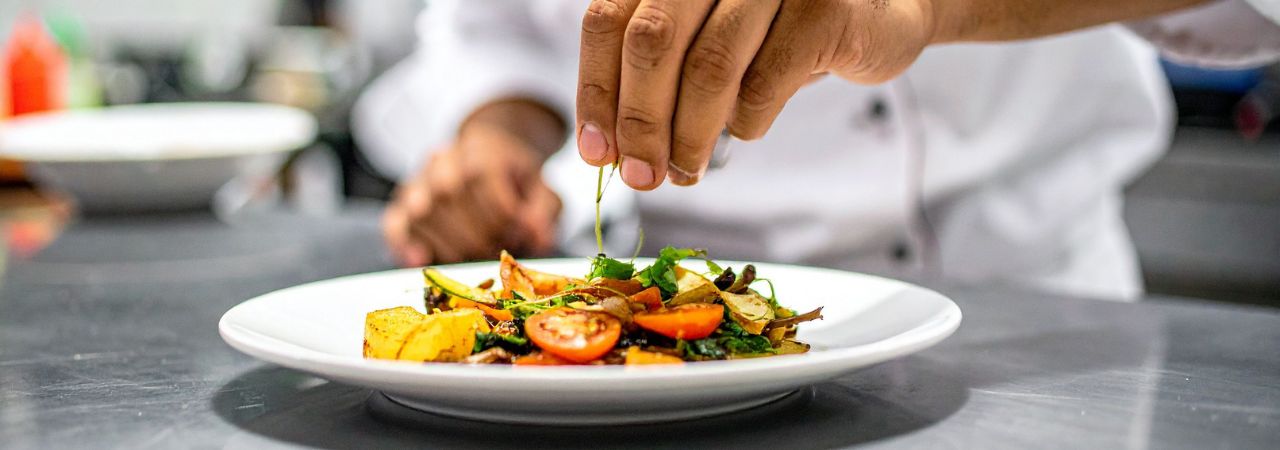
Cooking involves creativity, but commercial cooks also need to be adaptable. Ingredients may become unavailable, equipment may stop working, customer requirements can change, and unexpected situations can occur during service.
A flexible cook should be able to:
- Adjust recipes when necessary
- Find suitable ingredient alternatives
- Respond to unexpected changes
- Develop new ideas for dishes
- Explore different cuisines and cooking styles
- Improve presentation while maintaining consistency
- Adapt to changing customer preferences
Creativity becomes particularly valuable as cooks gain experience and begin contributing ideas to menus and kitchen operations.
6. Attention to Detail
Consistency is extremely important in commercial cooking. Customers expect their meals to have the same quality, portion size, flavour, and presentation each time they order.
Attention to detail includes:
- Measuring ingredients accurately
- Following recipes correctly
- Monitoring cooking temperatures and times
- Maintaining consistent portion sizes
- Checking food presentation before serving
- Ensuring plates meet the required standards
- Checking ingredients for quality and freshness
- Following specific dietary and allergy requirements
Small mistakes can affect the appearance, taste, cost, and overall customer experience, making attention to detail an essential skill.
7. Kitchen Equipment and Technology Skills
Modern commercial kitchens use a wide range of equipment. Cooks need to understand how to operate kitchen equipment safely and efficiently.
This may include:
- Commercial ovens
- Grills and cooktops
- Deep fryers
- Food processors
- Mixers
- Refrigeration equipment
- Dishwashing equipment
- Temperature monitoring equipment
Understanding how equipment works can improve productivity and reduce the risk of accidents. Cooks should always follow workplace procedures and manufacturer instructions when using commercial equipment.
8. Portion Control and Cost Awareness

A successful commercial cook needs to understand that cooking is not only about preparing food—it is also about managing resources efficiently.
Portion control helps kitchens:
- Maintain consistency
- Reduce food waste
- Control ingredient costs
- Improve profitability
- Maintain accurate recipe standards
Cooks should also learn to use ingredients efficiently and minimise unnecessary waste. Simple practices such as correct storage, proper preparation, and using ingredients appropriately can contribute to more efficient kitchen operations.
9. Understanding Menus and Customer Requirements
Commercial cooks should understand the menu they are preparing and be familiar with the ingredients, preparation methods, and potential allergens associated with each dish.
They may also need to accommodate different customer requirements, including:
- Vegetarian meals
- Vegan meals
- Gluten-free options
- Food allergies
- Religious dietary requirements
- Other special dietary preferences
Understanding these requirements helps cooks prepare meals safely and accurately while supporting a positive customer experience.
10. Physical Fitness and Stress Management
Commercial cooking can be physically demanding. Cooks may spend long periods standing, moving between workstations, lifting equipment or ingredients, and working in hot environments.
Important qualities include:
- Physical stamina
- Good coordination
- The ability to remain focused for extended periods
- Staying calm during busy service
- Managing workplace stress effectively
- Maintaining safe working practices
Learning how to manage pressure is particularly important during peak service periods when orders arrive quickly and priorities can change.
11. Problem-Solving Skills
Unexpected problems are common in commercial kitchens. A key ingredient may run out, an order may change, equipment may malfunction, or a dish may not turn out as expected.
Strong problem-solving skills help cooks:
- Identify issues quickly
- Find practical solutions
- Communicate problems to supervisors
- Minimise food waste
- Adjust preparation plans
- Maintain service standards
Rather than becoming overwhelmed by unexpected situations, experienced cooks learn to assess the problem and respond efficiently.
12. Professionalism and Reliability
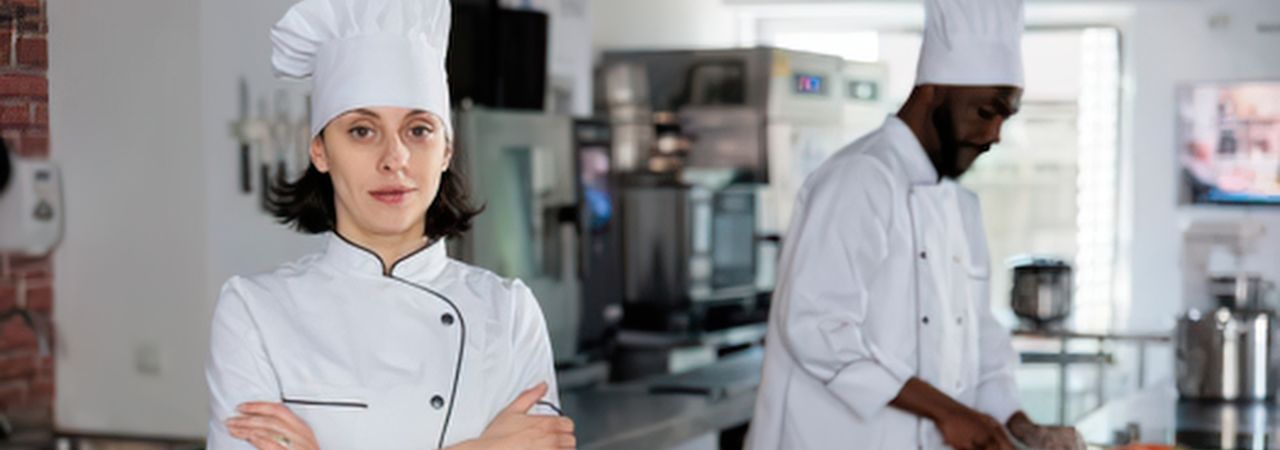
Professional behaviour is just as important as cooking ability. Employers value cooks who are dependable, punctual, respectful, and willing to learn.
Professionalism includes:
- Arriving on time and prepared for shifts
- Following workplace procedures
- Maintaining personal hygiene
- Treating colleagues respectfully
- Taking responsibility for tasks
- Accepting feedback positively
- Being willing to learn new techniques
- Maintaining a positive attitude
Building a reputation as a reliable team member can open the door to future opportunities within the hospitality industry.
13. Willingness to Learn and Develop
The culinary industry continues to evolve. New ingredients, cooking methods, technologies, cuisines, and customer preferences continue to influence commercial kitchens.
Successful cooks should have a mindset of continuous learning. This can include:
- Learning new cooking techniques
- Exploring different cuisines
- Improving knife and preparation skills
- Learning about new ingredients
- Attending training programs
- Taking feedback from experienced chefs
- Following industry developments
The more knowledge and experience you gain, the more confident you can become in a professional kitchen.
Why Certificate III in Commercial Cookery Can Be a Great Starting Point
If you are passionate about cooking and want to turn your interest into a career, Certificate III in Commercial Cookery can provide a strong foundation for working in the hospitality industry.
The qualification can help students develop practical knowledge and skills relevant to commercial kitchen environments. It can provide exposure to areas such as food preparation, cooking techniques, food safety, kitchen operations, and workplace practices.
For someone beginning their culinary career, formal training combined with practical experience can help build confidence and prepare them for the expectations of a professional kitchen.
Build the Skills You Need for a Career in Commercial Cookery
Becoming a successful commercial cook requires more than the ability to follow a recipe. It requires technical cooking skills, food safety knowledge, organisation, teamwork, creativity, problem-solving, communication, and resilience.
The hospitality industry can be demanding, but it can also provide opportunities to develop your skills, work in different kitchen environments, explore various cuisines, and build a rewarding culinary career.
If you are serious about developing your cooking skills and starting a career in hospitality, consider enrolling in Certificate III in Commercial Cookery. Building the right foundation today can help you gain the practical skills, knowledge, and confidence needed to take your next step in the culinary industry.
