

What Is Skill-Based Education?
Skill-based education focuses on helping students develop practical abilities that they can apply in real-life situations, rather than relying solely on memorisation and traditional academic learning. It combines knowledge with skills such as communication, creativity, collaboration, leadership, critical thinking, and problem-solving.
Imagine two students. One can memorise textbooks perfectly but finds it difficult to communicate ideas, work in a team, or respond to an unfamiliar situation. The other can edit videos, manage a social media project, learn coding independently, collaborate with classmates, and confidently present ideas.
This difference highlights an important change in modern education. Academic knowledge remains valuable, but students also need practical skills to succeed in a rapidly changing world.
At Ashford College, students are encouraged to learn beyond memorisation through debates, collaborative projects, student-led presentations, competitions, leadership opportunities, and interactive learning experiences that support confidence and personal development.
What Does Skill-Based Education Actually Mean?
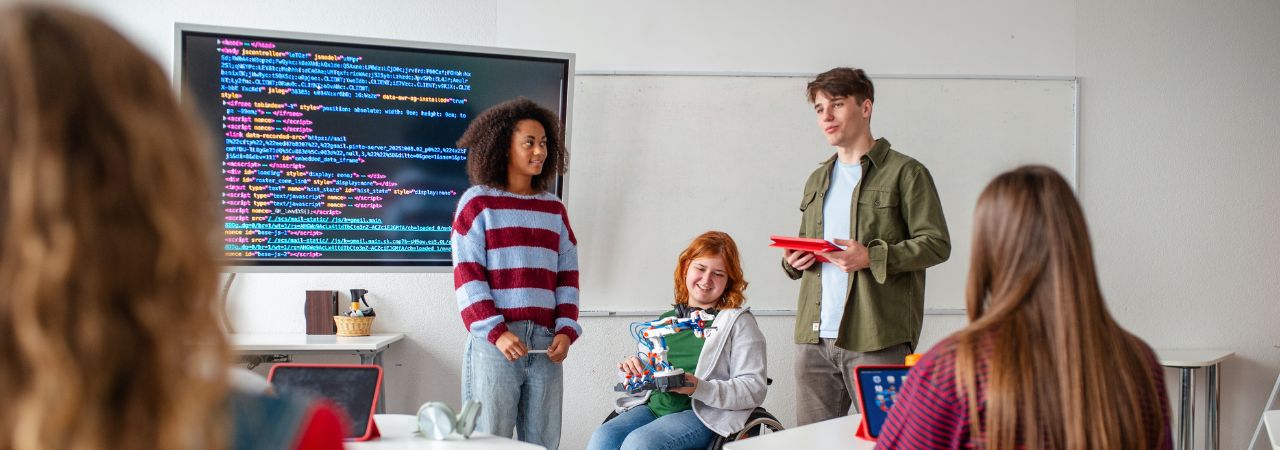
In simple terms, skill-based education teaches students how to use what they learn rather than simply remember it. It encourages students to develop capabilities that can support them in education, everyday life, and future careers.
Important skills include:
- Communication and leadership
- Critical thinking
- Creativity and innovation
- Collaboration and teamwork
- Emotional intelligence
- Problem-solving
- Decision-making
- Adaptability and resilience
The purpose is not to replace academic learning but to complement it. Students need a strong academic foundation as well as the ability to apply their knowledge effectively.
Why Is Skill-Based Education Becoming More Important Today?
The world of work is evolving quickly. Technology, artificial intelligence, automation, global collaboration, and changing industry requirements are influencing the skills employers look for in future professionals.
Students therefore need to prepare for careers that may look very different from those available today.
Some of the key reasons skill-based education is becoming increasingly important include:
- Technology is transforming jobs: Automation and AI are handling many repetitive tasks, increasing the importance of creativity, judgment, communication, and problem-solving.
- Employers value adaptability: Businesses need people who can learn new tools, adjust to changing environments, and approach challenges with confidence.
- Global collaboration is increasing: Students may eventually work with people from different cultures, countries, and professional backgrounds.
- Practical learning improves application: Projects and real-world activities help students understand how academic concepts can be used outside the classroom.
- Education is becoming more competency-focused: Modern learning approaches increasingly emphasise inquiry, projects, application, and demonstrated understanding rather than memorisation alone.
This makes skill-based education an important part of preparing students for both higher education and future employment.
Top Skills Students Need for Future Careers
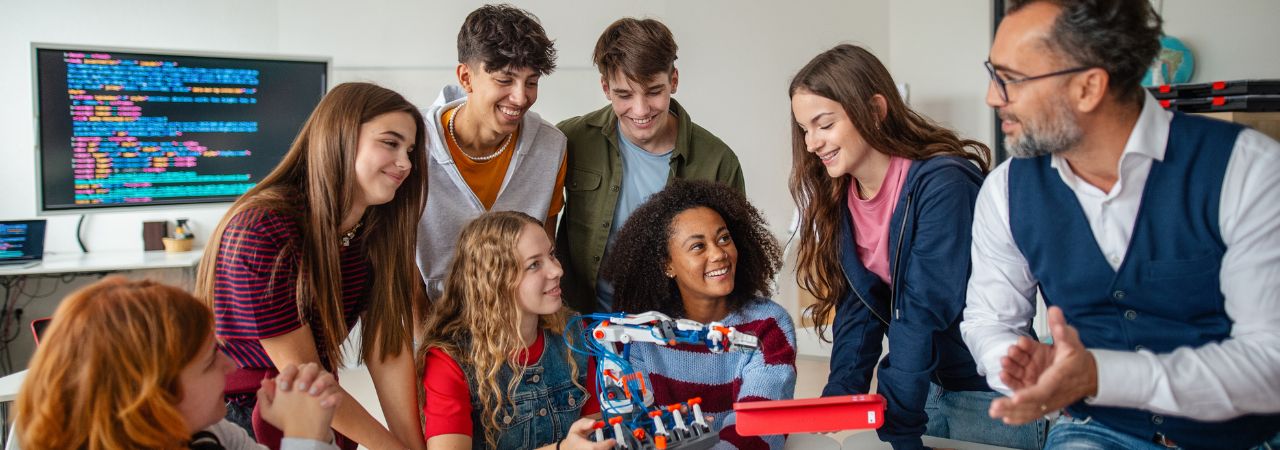
Future careers will require a combination of technical knowledge and transferable skills. Some of the most valuable abilities students can develop include:
Critical Thinking and Problem-Solving
Students need to evaluate information, identify problems, consider different solutions, and make informed decisions.
Communication
Being able to express ideas clearly, listen actively, write effectively, and communicate with confidence is valuable in almost every career.
Collaboration and Teamwork
Modern workplaces often depend on teams. Learning how to share ideas, respect different perspectives, manage disagreements, and work toward common goals prepares students for professional environments.
Creativity and Innovation
Creative thinking enables students to approach challenges from different perspectives and develop new ideas.
Adaptability
As technology and industries continue to change, students need the confidence and willingness to learn new skills throughout their lives.
Emotional Intelligence
Understanding emotions, managing reactions, showing empathy, and building positive relationships can improve both personal and professional interactions.
Leadership and Initiative
Leadership is not limited to holding a formal position. Taking responsibility, making decisions, supporting others, and taking initiative are valuable qualities in education and employment.
How Does Skill-Based Education Support Student Development?
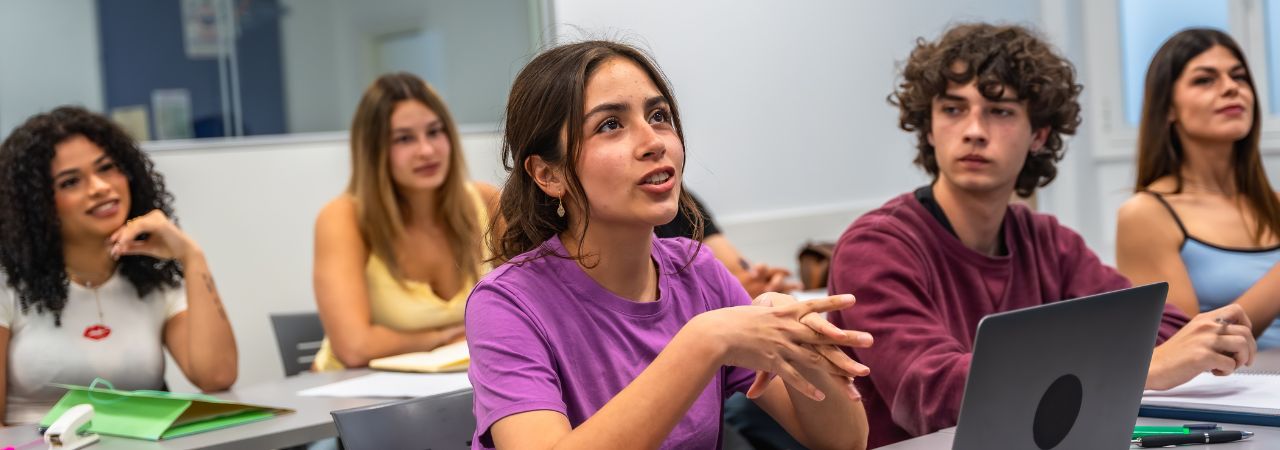
Skill-focused learning can make education more engaging because students have opportunities to participate, experiment, collaborate, and apply concepts.
| Skill Developed | Long-Term Benefit |
|---|---|
| Communication | Builds confidence and improves self-expression |
| Collaboration | Develops teamwork and interpersonal skills |
| Creativity | Encourages innovation and independent thinking |
| Critical Thinking | Supports better analysis and decision-making |
| Leadership | Builds responsibility and initiative |
| Problem-Solving | Helps students respond effectively to challenges |
| Adaptability | Prepares students to handle change |
These abilities can support students well beyond their school years. They can influence how confidently students approach university, employment, relationships, and new challenges.
What Are the Benefits of Skill-Based Education?
The benefits extend beyond academic performance. Skill-based learning can help students become:
- More confident communicators
- Independent and motivated learners
- Effective problem solvers
- Better team players
- More adaptable to change
- More comfortable taking initiative
- Creative and independent thinkers
- More confident when facing unfamiliar situations
Practical learning can also help students develop a deeper understanding of academic concepts. When students have opportunities to apply knowledge through projects, discussions, presentations, and activities, learning can become more meaningful and memorable.
How Ashford College Develops Future-Ready Skills
Students develop practical abilities through experience and participation. At Ashford College, skill development can be incorporated into everyday learning through a range of structured activities and opportunities.
These include:
- Classroom debates and discussions that encourage students to express opinions, listen to others, and build logical arguments.
- Project-based learning that allows students to connect concepts across subjects and apply their knowledge to practical situations.
- Student-led presentations that help develop public speaking, organisation, and communication skills.
- Leadership opportunities through student councils, clubs, competitions, and school activities.
- Application-focused assessments that encourage students to demonstrate understanding rather than simply recall information.
- Inquiry-led learning that motivates students to ask questions, investigate topics, conduct research, and develop independent thinking.
Through these experiences, students can build confidence while developing skills that are useful for future academic and professional environments.
How Can Students Develop Skills Outside the Classroom?

Skill development does not have to stop when the school day ends. Students can strengthen valuable abilities through everyday activities and personal interests.
1. Practise Communication
Students can:
- Participate in discussions and competitions
- Practise presenting ideas to family and friends
- Take part in storytelling, debates, or public-speaking activities
- Read widely and discuss different topics
2. Develop Problem-Solving Skills
Students can:
- Work on puzzles and creative challenges
- Explore coding and robotics
- Take part in design projects
- Try activities that require planning and decision-making
3. Build Leadership Skills
Students can:
- Participate in team activities and sports
- Help organise school or community events
- Take responsibility for group projects
- Volunteer for activities that require initiative
4. Encourage Creativity
Students can:
- Explore art, music, writing, or design
- Create personal projects
- Experiment with new ideas
- Learn digital creative tools
Small, consistent experiences can help students build confidence and transferable skills over time. Schools and families can work together to create opportunities for students to explore their interests while developing practical abilities.
Key Takeaways
- Skill-based education combines academic knowledge with practical and transferable abilities.
- Modern careers increasingly require communication, adaptability, creativity, collaboration, and critical thinking.
- Practical learning can improve student confidence, independence, and problem-solving abilities.
- Debates, projects, presentations, competitions, and leadership opportunities provide meaningful ways to develop skills.
- Students can continue building valuable skills through activities outside the classroom.
- Ashford College supports a balanced learning environment focused on academic development and future-ready capabilities.
Final Thoughts
Education today is about more than remembering information for an examination. Students need to understand what they learn and develop the confidence to apply that knowledge in new situations.
The ability to communicate clearly, collaborate with others, think critically, solve problems, demonstrate creativity, and adapt to change can help students navigate future academic and professional environments.
At Ashford College, students are encouraged to develop these capabilities through debates, collaborative projects, presentations, leadership opportunities, competitions, and inquiry-driven learning. This balanced approach supports academic growth while helping students develop the practical skills and confidence they need for life beyond the classroom.
For families looking for an educational environment that values both academic learning and personal development, Ashford College provides opportunities for students to grow as confident, capable, and curious learners.
