

The modern job market is evolving faster than ever before. Rapid technological advancements, digital transformation, automation, and changing business needs have significantly reshaped the skills employers expect from today’s workforce. Academic qualifications remain important, but they are no longer enough on their own. Employers increasingly seek candidates who possess practical knowledge, hands-on experience, and the ability to adapt to new challenges. This is why vocational training has become an essential part of modern education, helping learners gain industry-relevant skills and prepare for successful careers.
Understanding Vocational Training
Unlike traditional education, which often focuses heavily on theoretical concepts, vocational training emphasizes practical learning and real-world application. It bridges the gap between classroom education and workplace expectations by providing students with the technical expertise and professional skills required across various industries. Whether a student is interested in information technology, business management, healthcare, hospitality, digital marketing, media, or design, vocational education offers specialized programs that align with current industry demands.
Practical Learning Creates Job-Ready Professionals

One of the greatest strengths of vocational training programs is their focus on experiential learning. Instead of simply reading about concepts in textbooks, learners actively participate in practical assignments, workshops, simulations, and project-based learning. They gain valuable experience by performing tasks similar to those they will encounter in professional environments. This practical exposure helps students understand industry standards, develop confidence in their abilities, and become familiar with workplace expectations before entering the job market.
Practical learning also enhances problem-solving and critical-thinking skills. As students work on real-life projects and industry-based assignments, they learn how to analyze situations, make informed decisions, and develop effective solutions. These experiences prepare them to handle workplace challenges with greater confidence and efficiency, making them valuable contributors to their future employers.
The Importance of Continuous Skill Development
Another important aspect of career preparation is continuous learning. Industries continue to evolve with new technologies, software, regulations, and work practices emerging every year. Professionals who stop learning often struggle to remain competitive. This is where comprehensive skill development programs play a crucial role. Rather than focusing solely on immediate employment, these programs encourage learners to continuously upgrade their knowledge and expand their capabilities throughout their careers.
Modern skill development programs help students build technical competencies while also fostering adaptability, creativity, and innovation. Learners become comfortable with learning new technologies and embracing change, qualities that are highly valued in today’s fast-changing business environment.
Industry-Aligned Workforce Training
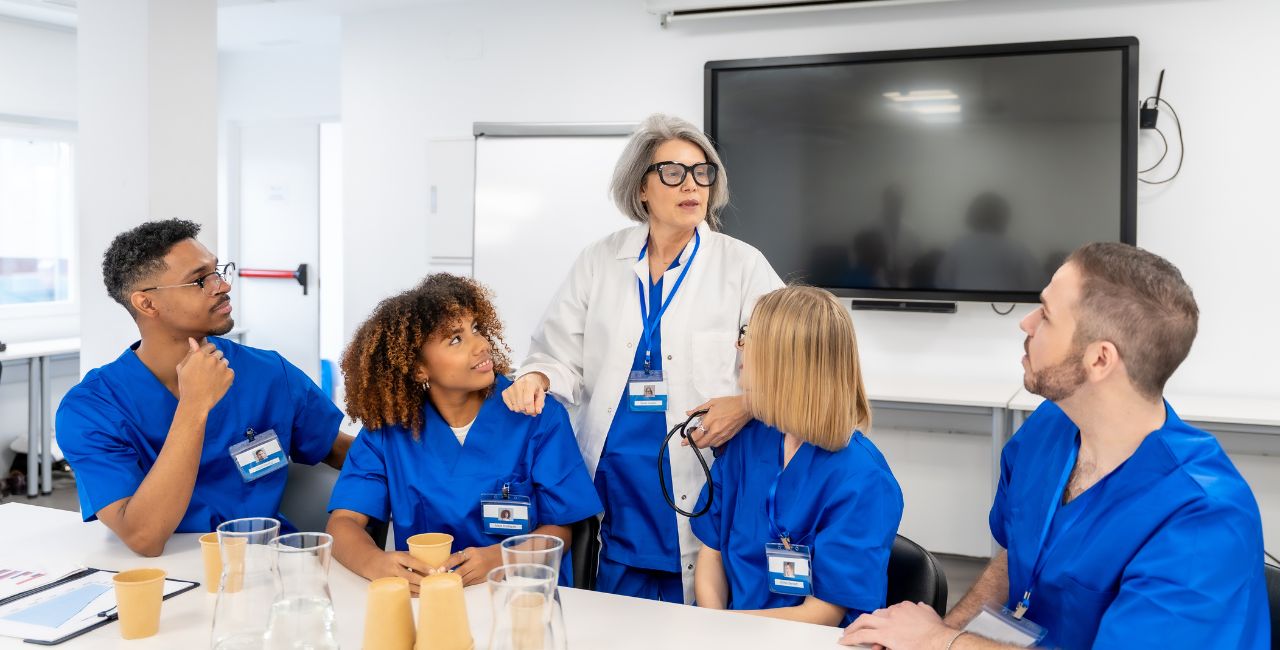
Employers are increasingly looking for graduates who are ready to contribute from their very first day at work. Organizations invest significant time and resources in recruiting employees who require minimal additional training. This makes workforce training and development an essential component of quality education. Programs designed in collaboration with industry professionals expose learners to current workplace practices, industry-standard tools, and modern business processes.
By experiencing practical training before graduation, students gain a better understanding of professional responsibilities, workplace communication, project management, and organizational expectations. This reduces the learning curve when they begin their careers and enables them to integrate more quickly into professional environments.
Building Essential Soft Skills
Success in today’s workplace depends on more than technical expertise. Employers also value communication, teamwork, leadership, adaptability, time management, critical thinking, and emotional intelligence. Modern vocational training programs integrate these soft skills into the learning process through presentations, group projects, case studies, and collaborative assignments.
Developing these interpersonal skills helps students communicate effectively with colleagues and clients, work efficiently in teams, and confidently manage workplace responsibilities.
Career Opportunities Across Multiple Industries
Vocational education creates meaningful career opportunities for students by aligning educational programs with labor market demands. Many industries actively seek professionals with practical training and specialized knowledge. Graduates can pursue careers in information technology, cybersecurity, business administration, digital marketing, healthcare, hospitality, multimedia, logistics, finance, retail management, and creative industries.
Additionally, vocational education supports entrepreneurship by equipping learners with practical business knowledge and industry expertise, enabling them to start their own ventures or work independently.
Flexibility to Match Career Goals

Another major advantage of vocational training programs is their flexibility. Every student has unique interests, talents, and career aspirations. Vocational institutions offer certificate courses, diploma programs, advanced diplomas, and professional certifications that allow learners to choose a learning pathway that best suits their goals.
Flexible study options also enable working professionals and recent graduates to upskill without interrupting their careers, making vocational education suitable for lifelong learning.
Why Employers Value Vocational Graduates
Employers appreciate vocational graduates because they arrive with practical experience, industry knowledge, and workplace readiness. Since vocational programs are designed around real business requirements, graduates often require less onboarding and can contribute productively much sooner.
This practical preparation increases employability while helping organizations build a skilled and efficient workforce.
How Ashford College Prepares Students for Success
At Ashford College, vocational education is designed to prepare students for the demands of today’s dynamic workforce. The college offers industry-focused vocational training programs that combine classroom learning with practical experience. Students learn from experienced instructors, gain exposure to current industry practices, and participate in career-oriented skill development programs that build both technical expertise and professional confidence.
By staying aligned with evolving industry trends and employer expectations, Ashford College equips learners with the knowledge, practical abilities, and workplace skills needed to thrive in competitive industries.
Conclusion
As industries continue to evolve, vocational training will play an increasingly important role in shaping the workforce of the future. Through practical learning, continuous skill development programs, workforce training and development, and industry-focused education, students gain the confidence and capabilities needed to succeed in their chosen careers.
For learners seeking career-focused education and long-term professional growth, Ashford College provides the foundation to develop in-demand skills, explore rewarding career opportunities, and build a successful future in an ever-changing global economy.
