

Education is no longer limited to textbooks, classrooms, and examinations. In today’s fast-changing world, learners are exploring new ways to gain knowledge and build careers. This shift has brought two major approaches into focus: skill-based learning and traditional education. While both have their own value, understanding their differences is essential for making informed decisions about learning and career growth.
What is Traditional Education?
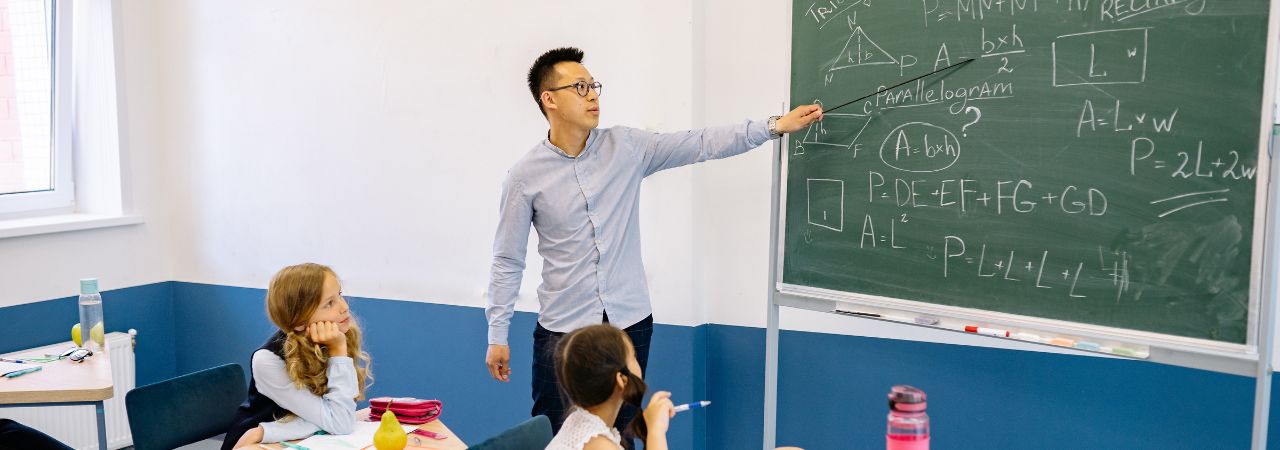
Traditional education is the long-established system most people are familiar with. It follows a structured curriculum delivered through schools, colleges, and universities. The focus is mainly on theoretical knowledge, academic subjects, and standardized examinations.
Students typically attend lectures, read textbooks, and take exams to demonstrate their understanding. Degrees and certifications act as proof of knowledge and are widely recognized across industries. This system provides a strong academic foundation and is essential for fields like medicine, law, and engineering.
However, traditional education often emphasizes memorization and theory more than real-world application. Many students complete years of study but still require additional training to become job-ready.
What is Skill-Based Learning?
Skill-based learning focuses on developing practical abilities that can be directly applied in real-life situations. Instead of prioritizing theory, this approach emphasizes hands-on experience, projects, and problem-solving.
Learners gain expertise in specific areas such as digital marketing, programming, communication, or design. The goal is to ensure that students can perform tasks effectively, not just understand concepts.
This method also promotes adaptability, critical thinking, and continuous learning—skills that are highly valued in modern workplaces. It prepares individuals for employment, freelancing, or entrepreneurship by making them job-ready from the start.
Key Differences Between Skill-Based Learning and Traditional Education

1. Learning Approach
Traditional education is teacher-centered, where instructors deliver knowledge through lectures, and students absorb it. The focus is on theory and memorization.
In contrast, skill-based learning is student-centered. It involves practical exercises, real-world projects, and interactive learning. Students actively participate and learn by doing rather than just listening.
2. Focus of Education
Traditional education prioritizes academic knowledge and subject mastery. It aims to build a broad understanding of various disciplines.
Skill-based learning, on the other hand, focuses on specific competencies. It answers a simple question: What can the learner do after completing the course?
3. Career Readiness
One of the biggest differences lies in employability. Traditional education often requires additional internships or training before entering the workforce.
Skill-based learning (vocational training) is designed with industry needs in mind. Students graduate with practical experience, portfolios, and confidence, making them job-ready from day one.
4. Flexibility and Duration
Traditional education usually follows a fixed schedule and takes several years to complete. It offers limited flexibility in terms of pace and learning style.
Skill-based learning is more flexible and often shorter in duration. Many programs allow learners to study at their own pace, making it ideal for working professionals or those looking to switch careers.
5. Assessment Methods
In traditional systems, assessment is primarily based on exams and grades. Success is measured by how well students perform in written tests.
Skill-based learning uses practical assessments, such as projects, presentations, and real-world tasks. The focus is on demonstrating abilities rather than recalling information.
6. Industry Relevance
Industries are evolving rapidly, and traditional curricula may not always keep up with the latest trends and technologies.
Skill-based learning adapts quickly to market demands, teaching current tools and practices that are directly relevant to employers. This ensures learners stay competitive in the job market.
7. Cost and Accessibility
Traditional education can be expensive and time-consuming, especially for higher degrees.
Skill-based programs are often more affordable and accessible, particularly with the rise of online learning platforms. This makes education more inclusive and available to a wider audience.
Advantages of Skill-Based Learning
Skill-based learning is gaining popularity for several reasons:
- It improves employability by focusing on practical skills
- Encourages critical thinking and problem-solving
- Supports flexible and self-paced learning
- Prepares learners for modern careers like freelancing and remote work
- Aligns closely with industry needs
As industries shift toward performance-based hiring, employers increasingly value what candidates can do rather than just their qualifications.
Advantages of Traditional Education
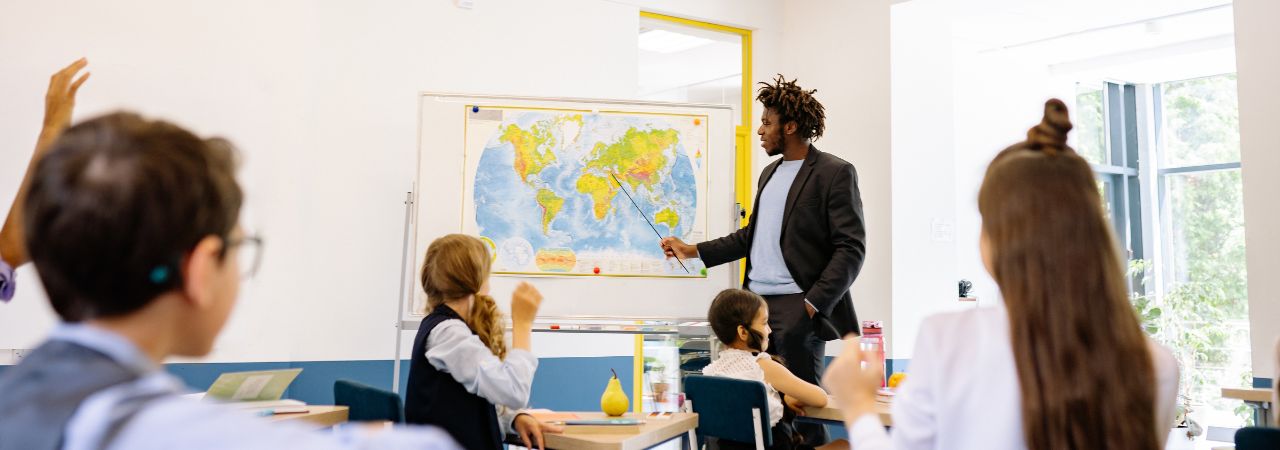
Despite its limitations, traditional education still plays a vital role:
- Provides a strong theoretical foundation
- Offers recognized degrees and certifications
- Essential for regulated professions
- Encourages discipline and structured learning
It also helps develop analytical thinking and a deeper understanding of subjects, which can be beneficial in research and academic careers.
Which One is Better?
There is no one-size-fits-all answer. The right choice depends on individual goals:
- If you aim for academic research or professions requiring formal qualifications, traditional education is essential.
- If your goal is to gain employment quickly, switch careers, or build practical expertise, skill-based learning is more effective.
In reality, the best approach is often a combination of both. A strong academic foundation combined with practical skills creates a well-rounded and future-ready individual.
The Future of Education
Education systems worldwide are evolving to meet the demands of the modern world. Governments and institutions are increasingly integrating skill-based approaches into traditional frameworks to create more balanced learning experiences.
The future lies in blended learning models—where theory meets practice, and knowledge is complemented by real-world application. This approach ensures that learners are not only educated but also capable and confident in their abilities.
For learners exploring flexible and career-focused education pathways, institutions offering practical, industry-relevant programs are becoming an important part of this transformation, helping bridge the gap between education and employment.
Conclusion
Skill-based learning and traditional education are not competitors—they are complementary. While traditional education builds knowledge, skill-based learning transforms that knowledge into action.
In a world where adaptability and practical expertise matter more than ever, combining both approaches can provide the perfect balance for long-term success.
