

For a long time, many people thought certain jobs were only for men. If someone thought of a mechanic, a plumber, or a construction worker, they usually imagined a man. But things are changing fast. Today, more women are choosing vocational training. They are learning skills that lead to good jobs. This path is not always easy, but it is very rewarding.
Vocational training is about learning by doing. Instead of just sitting in a classroom and reading books, students use their hands. They practice real tasks they will do at work. This kind of education is a strong choice for starting a career without spending many years in school.
Why Vocational Training Works

Many people think a big university is the only way to be successful. That is not always true. Vocational training, often called VET, offers a different path. It focuses on specific skills for specific jobs.
Key benefits include:
- Faster Completion: Most courses finish in a few months or a year. This is much quicker than a four-year degree. It means getting into the workforce sooner and starting to earn a paycheck.
- Lower Costs: University can lead to a lot of debt that takes decades to pay off. Vocational courses usually cost much less. This makes it a safer financial choice for many families.
- Job Readiness: Students learn exactly what they need for the workplace. There is no “filler” content. If someone is studying a specific trade, they spend their time working with the actual tools and software used in that industry.
- Flexible Options: Many vocational courses offer part-time or evening schedules. This is perfect for women who are already working or looking after children.
- High Demand for Skills: There is a huge shortage of skilled workers in many sectors. Because there are more jobs than people to fill them, wages stay high.
- Practical Learning Style: Not everyone learns best by reading long essays. Some people learn by seeing and doing. This builds confidence because students can see the results of their work immediately. Using best study tips like hands-on practice can make this process even smoother.
Breaking Down Old Barriers

In the past, women faced many barriers in trade jobs. Some people thought women weren’t strong enough or wouldn’t fit in. These ideas were wrong, but they stayed around for a long time.
How things are changing today:
- Better Technology: Machines now do the heavy lifting. This makes the work about skill and smarts rather than just physical strength. Tools are designed to be more ergonomic, meaning anyone with the right training can operate them safely.
- New Workplace Culture: More companies want to hire women. They realize that a mix of people makes a team better and more creative. Managers are being trained to make sure everyone feels safe and respected on the job site.
- Problem Solving: Women often bring new ways of looking at a task. This helps businesses find faster or safer ways to finish projects.
- Government Support: Many regions are offering special grants and help for women who want to learn a trade. This makes it easier to afford tools or uniforms.
- Visibility of Role Models: Because more women are already in these jobs, it is easier for others to follow. Seeing a woman lead a crew shows that it is a normal career path.
The Challenges That Remain
Even though things are getting better, some hurdles still exist. Feeling isolated is a common issue when a woman is the only one in a workshop or office. It can also be hard to balance training with being a mom or a caregiver.
Sometimes, people still have “unconscious bias,” where they assume a woman is an assistant instead of the expert. Also, some older workplaces might still lack basic things like proper changing rooms. While these problems are shrinking, they still take effort to overcome.
Success Stories in High-Demand Fields
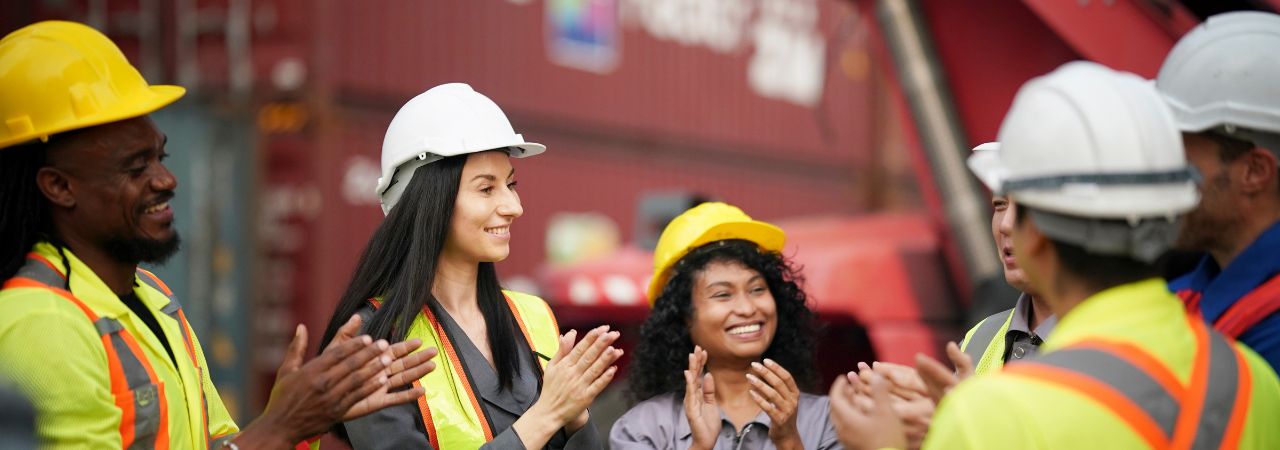
Women are now excelling in professional fields where specialized training is the key to success.
Construction and Building Trades
The construction site is no longer a “men only” zone. Women are increasingly entering trades like carpentry, painting, and decorating. Vocational training provides the certifications needed to work on major projects. Many women find they have a great eye for detail and precision, which makes them highly valued on building teams. Some even go on to become site supervisors or start their own renovation businesses.
Kitchen Management and Hospitality
Vocational training in kitchen management teaches more than just cooking. It covers food safety, staff management, and cost control. Women are now running busy kitchens and managing major venues as a professional career, often moving into roles like Head Chef or Hospitality Manager.
Cabinet Making and Timber Technology
This field is perfect for women who enjoy craft and precision. Cabinet making combines design with technical skill. Women in this industry create custom furniture and interior installations, using modern equipment and timber technology to build beautiful, functional pieces.
Painting and Decorating
Many women are finding successful careers as residential and commercial painters. This field allows for a mix of physical work and artistic flair. Professional training teaches surface preparation and advanced decorative finishes, helping women start a career as skilled contractors or business owners.
Management Learning
For those looking to lead, a Graduate Diploma of Management provides the high-level skills needed to run organizations. Women are using these qualifications to become training managers or education leaders, overseeing the development of teams and ensuring businesses stay competitive through constant learning.
The Economic Impact: Why It Matters

When more women work in specialized fields, the whole economy gets stronger. There are many jobs that need to be filled. If only men are hired, half of the talent in the world is missing. This is why skilled trades are essential for keeping a country’s infrastructure and housing moving forward.
The Power of the Female Workforce:
- Closing the Pay Gap: Moving into vocational roles allows for much higher wages. In Australia, women with a Certificate III or IV can sometimes earn more than those with general university degrees.
- Boosting the GDP: Research shows that closing the gender gap in the workforce could boost the Australian economy by $11 billion every year.
- Higher Lifetime Earnings: On average, a person with a vocational qualification can earn $3.2 million over their working life. For women moving out of low-paid casual work, this is a massive increase.
- Productivity Gains: Diverse teams are proven to be more productive. Businesses that include women in technical and leadership roles often see 15% to 20% better profits because of improved problem-solving.
- Community Growth: When women earn more, they invest 90% of their income back into their families and local shops. This helps schools and local businesses thrive.
Simple Tips for Getting Started
If a woman is thinking about vocational training, these steps can help:
- Research the options: Look at different industries. Don’t just pick what is “normal.” Pick what is interesting.
- Talk to others: Find women already doing the job. Ask them what it is really like.
- Ask questions: There are no silly questions when learning. That is how people get better.
- Check the requirements: Make sure to look at the entry process so there are no surprises when signing up.
Gaining Independence Through Skills
For many women, vocational training is more than just learning a job. It is about gaining independence. When a woman masters a specialised skill, like managing a kitchen or leading a construction project, she gains a tool that no one can take away. This knowledge provides a real safety net.
In a world where the economy can change, having a certified, practical skill means always being in demand. It allows women to move away from low-paying, insecure work and toward careers where they have more control over their schedules and their pay. This shift builds a foundation of security that supports not just the woman, but her entire family for years to come. If you are thinking about where to start, Ashford College of Education offers a range of nationally accredited vocational courses built around real-world skills. It is worth a look.
